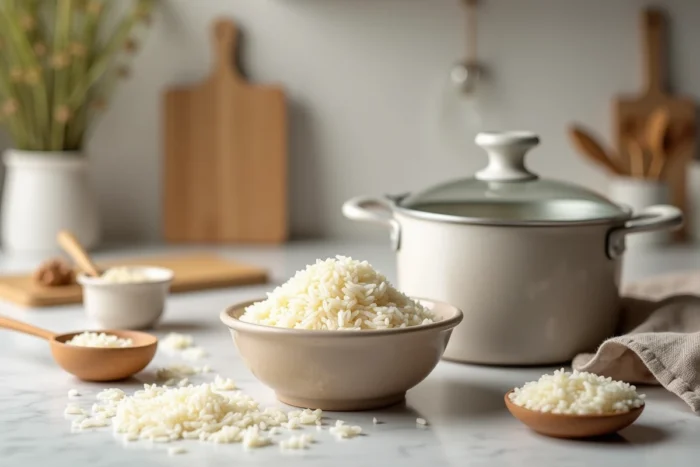
Rice remains one of the most consumed starches in France, yet its cooking often poses problems. Sticky grains, burnt pot bottoms, mushy texture: failures are common, even among regular cooks. The varieties (basmati, Thai, round, whole grain) do not react the same way to heat or water, which complicates matters further.
Here are seven practical techniques to master rice cooking on a daily basis, from rinsing to managing resting time after cooking, including a rarely discussed angle: reducing contaminants by choosing the method.
1. Rinse the rice in cold water until the water runs clear
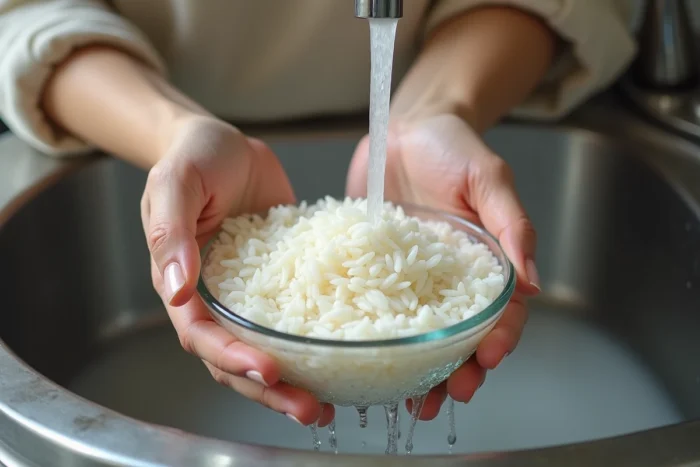
Rinsing is the first step to successful cooking, and probably the most neglected. The free starch that coats each grain is responsible for that sticky and mushy texture that no one desires (except for sushi rice).
Place the rice in a fine sieve or directly in the pot, cover with cold water, stir by hand, then drain. Repeat until the rinsing water becomes clear, usually after three to five rinses. For more tips for cooking rice easily, rinsing is also treated as a non-negotiable prerequisite.
This simple action radically changes the final result: the grains separate better, the texture remains firm, and the pot is easier to clean.
2. Cook in a large volume of water to reduce arsenic
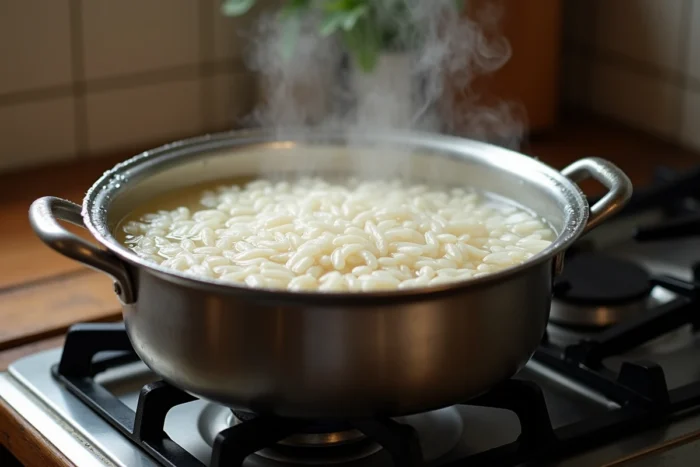
Most recipes recommend the absorption method (just enough water for the rice to absorb completely). This approach yields good taste results, but it has a rarely mentioned drawback in classic cooking guides.
According to a survey reported by 60 Millions de consommateurs and Top Santé, cooking rice in a large volume of water and then draining it can reduce arsenic content by about half. The principle is the same as for pasta: bring a large volume to a boil, add the rice, cook, then drain.
The resulting grains are more separated, which is ideal for salads or side dishes. Seasoning (salt, olive oil, lemon juice) is done just after draining, when the rice is still hot and absorbs flavors well.
3. Respect the ratio of one volume of rice to one and a half volumes of water
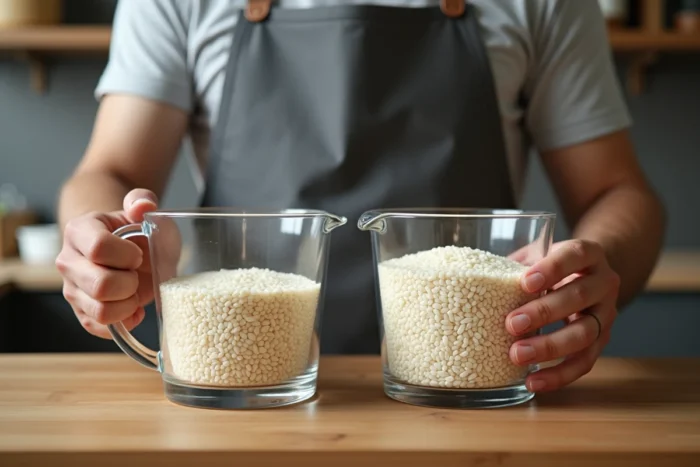
For the absorption method, the water measurement is crucial. Too much water results in soggy, mushy rice. Not enough, and the bottom burns before the grains are cooked through.
The reference ratio for long-grain white rice (basmati, jasmine) is one volume of rice to one and a half volumes of water. This guideline works with any container: cup, glass, bowl. The idea is to keep the same unit of measurement for both ingredients.
Brown rice or round rice requires adjustments. Brown rice absorbs more water and cooks longer. Round rice, used for risottos or desserts, needs a gradual addition of water. Available data does not allow for a universal ratio for all varieties: testing and adjusting based on the results is necessary.
4. Choose organic basmati to limit pesticide residues
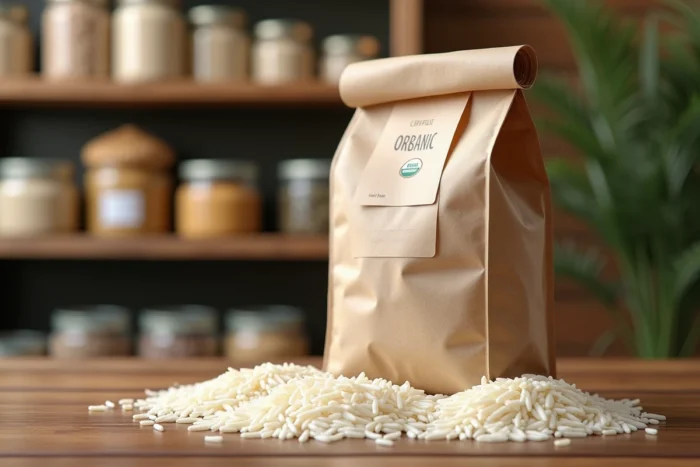
Perfect cooking is not just about the pot. The choice of raw material is as important as the technique. A survey by 60 Millions de consommateurs highlighted that non-organic basmati rice imported from India and Pakistan ranks among the highest in pesticide residues.
Choosing certified organic basmati reduces this exposure. Careful rinsing and cooking in a large volume of water (tip number two) complement this precaution by eliminating some soluble contaminants.
This selection criterion is not trivial for a food consumed several times a week in many households.
5. Cover the pot and do not lift the lid during cooking
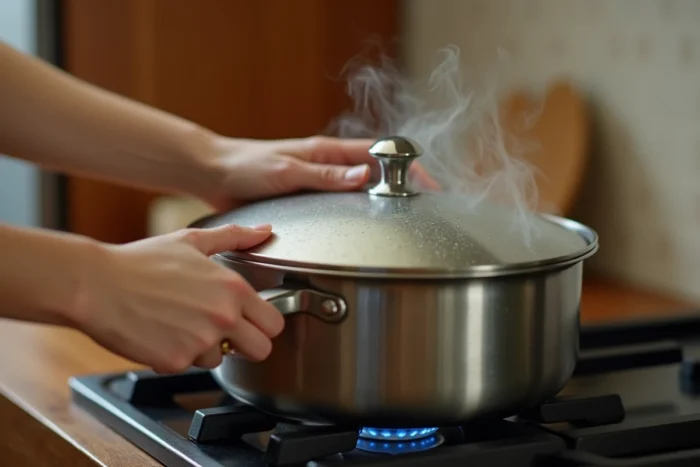
Once the water is brought to a boil and the heat is reduced to the minimum, the steam does the work. Every time the lid is lifted, steam escapes and the cooking cycle is disrupted. The rice on top remains uncooked while the rice at the bottom begins to stick.
Keeping the lid closed throughout the cooking process is the simplest and most frequently broken rule. If the pot overflows, reduce the heat instead of opening it.
To check progress without opening, tilt the pot slightly: if water runs down the side, cooking is not finished. If the bottom is dry, turn off the heat.
6. Let the rice rest for five to ten minutes off the heat before serving
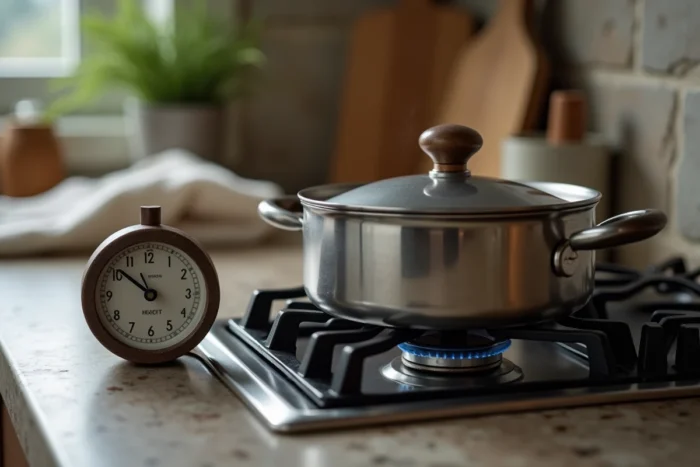
Resting after cooking is a step that many recipes mention without explaining why. During these few minutes with the lid closed and the heat off, the residual steam finishes cooking the upper grains and the moisture distributes evenly.
The result: uniformly tender grains, easy to fluff with a fork. Without this resting period, the rice on top remains slightly firm while the rice at the bottom is too soft. The difference in texture is striking, especially with basmati.
7. Fluff with a fork instead of a spoon
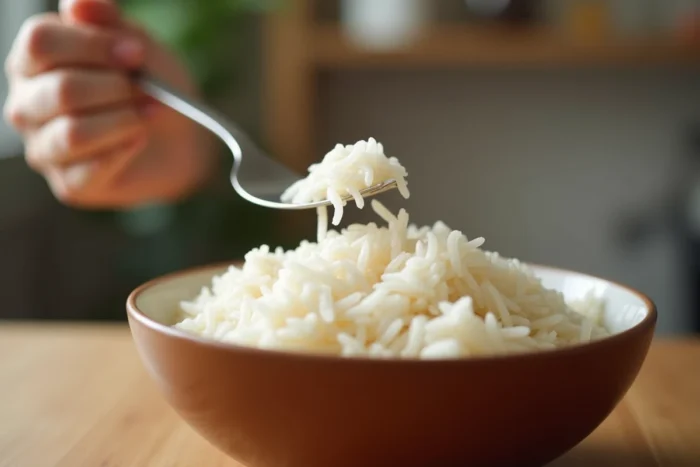
A spoon crushes the grains. A fork separates them without damaging them. This final action, performed just after the resting time, gives the rice its airy appearance and light texture.
Insert the tines of the fork into the rice and gently lift while turning the grains. Two or three passes are sufficient. This detail makes the difference between rice that resembles a compact puree and a side dish with well-separated grains, ready for a salad, curry, or a simple everyday dish.
- Rinsing and resting frame the cooking: one prepares the grain, the other finalizes the texture
- The large volume water method is better suited for salads and reduces contaminants
- The absorption method with the lid closed remains the reference for fluffy side dish rice
Cooking rice relies on a few precise actions repeated identically. The choice of variety, the quality of rinsing, and the discipline of keeping the lid closed matter more than any sophisticated equipment.