
The Global Firepower ranking for 2026 covers 145 countries and aggregates over 60 factors to produce a power index (PwrIndx). The United States, Russia, and China dominate the podium, but the gaps are narrowing in several capability segments. Here, we analyze the top 20 military powers in the world, their operational strengths, and their structural vulnerabilities.
1. United States
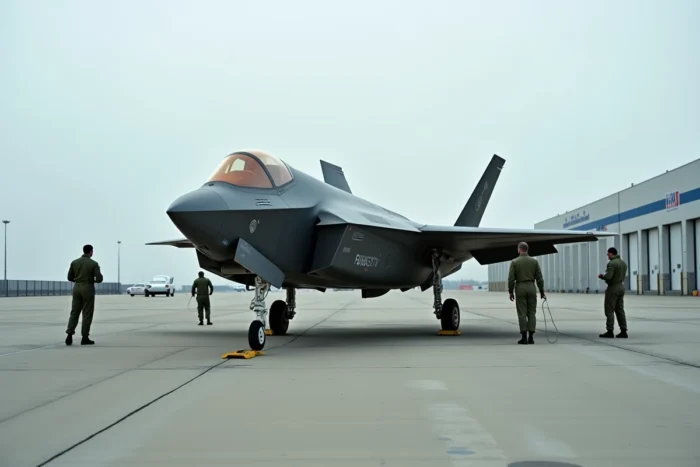
The United States maintains the top position with a PwrIndx of 0.0741, supported by an unmatched air and naval fleet. The Pentagon revised its military targeting doctrine in 2026 to enhance the role of artificial intelligence in operational planning.
The American weakness remains the maintenance cost of this global apparatus. The dispersion of forces across multiple theaters limits the ability to concentrate quickly against a determined regional adversary.
We note that the 2026 global military power ranking on 16h20 details the blind spots of this index, particularly regarding cyber defense and drones.
2. Russia
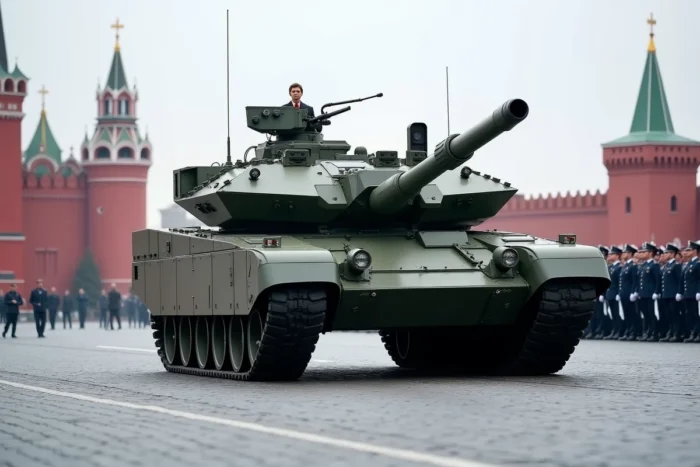
Russia remains in second place thanks to its nuclear arsenal, massive tank stocks, and an autonomous ballistic missile industry. The combat experience gained in recent years is an asset that few competitors can claim.
The prolonged conflict has highlighted deep logistical weaknesses: accelerated wear of equipment, losses of skilled personnel, and increasing dependence on imported components for onboard electronics.
3. China
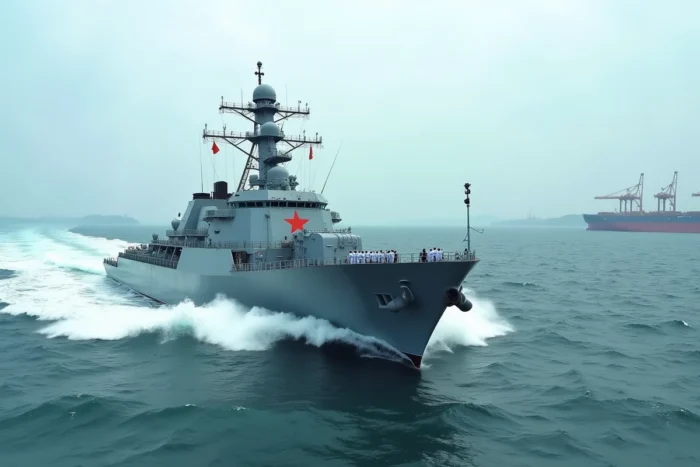
The third military power in the world, China is investing heavily in blue-water navy and hypersonic missiles. Its industrial capacity allows for a ramp-up in naval production that neither the United States nor Russia can match in the frigate and destroyer segment.
The lack of recent operational experience and dependence on straits for energy supply remain two major structural vulnerabilities.
4. India
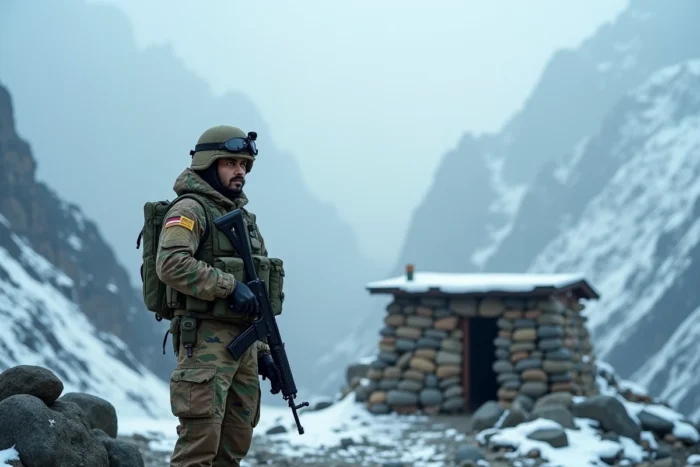
India ranks fourth with one of the largest active forces in the world. Its ballistic missile program and nuclear arsenal make it a credible regional deterrent.
Modernization is hindered by a fragmented supply chain among Russian, French, American, and Israeli suppliers, complicating maintenance and interoperability.
5. South Korea
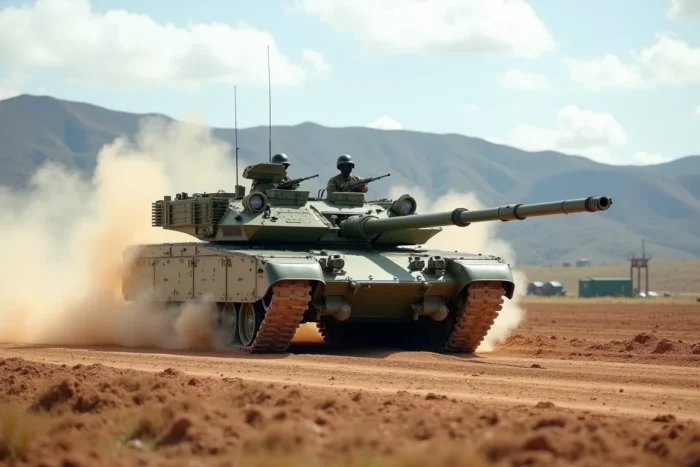
South Korea surprises at fifth place, ahead of France. Its defense industry now exports tanks, self-propelled howitzers, and combat aircraft. Conscription ensures a considerable pool of trained reservists.
The North Korean threat imposes a rigid defensive posture that absorbs a disproportionate share of resources and limits force projection outside the peninsula.
6. France
France remains the leading European army in terms of projection capability, with a permanent operational carrier strike group and an autonomous nuclear deterrent. Recent OPEX attest to real combat experience.
The reduced format of the French armies imposes constant trade-offs between modernization and force volume. The announced ramp-up faces long industrial timelines.
7. United Kingdom
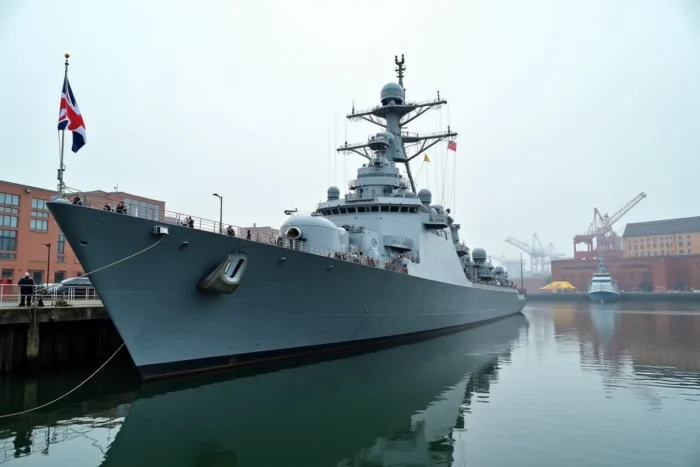
The United Kingdom relies on a submarine nuclear deterrent and a privileged alliance with the United States through AUKUS. Its special forces are among the most experienced.
The Royal Navy suffers from an insufficient number of frigates to escort its two aircraft carriers simultaneously, limiting the operational credibility of the force.
8. Japan
The Japanese Self-Defense Forces possess a modern navy and some of the best anti-submarine capabilities in the world. The defense budget has crossed a historic threshold in recent years.
The constitutional constraint on the offensive use of force and the aging population weigh on recruitment and engagement doctrine.
9. Turkey
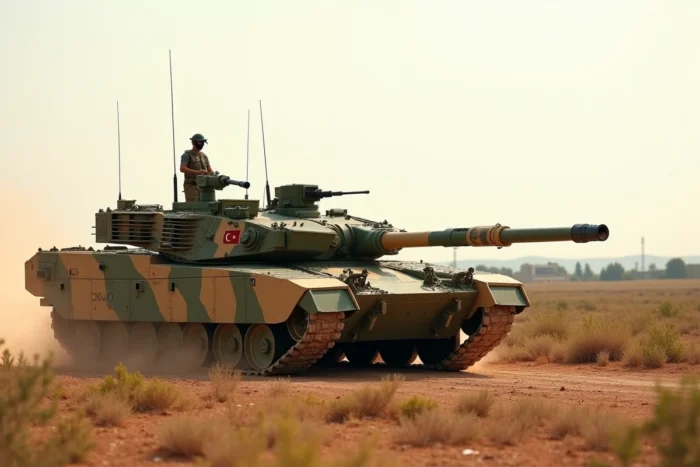
Turkey has built a military drone industry that redefines cost-effectiveness on the battlefield. The Bayraktar TB2 has demonstrated its effectiveness in several theaters.
The export of Turkish drones to more than twenty countries serves as a geopolitical leverage as well as an industrial asset. Dependence on foreign engines for certain models remains a point of vulnerability.
10. Italy
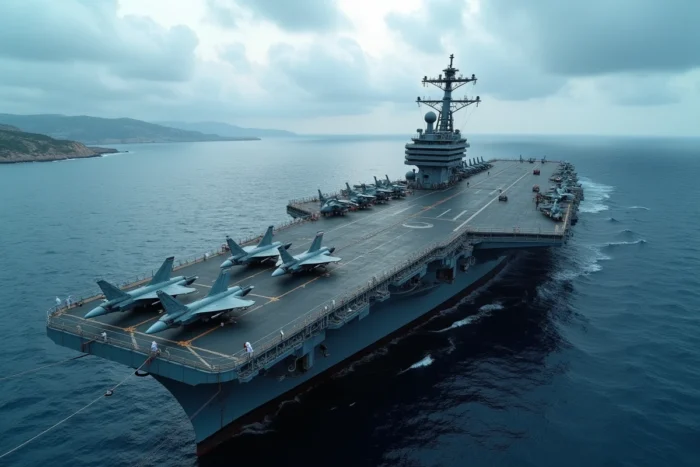
Italy stands out with a high-performing naval industry (Fincantieri) and a credible amphibious projection capability in the Mediterranean. Its army remains sizable for a European country.
Budget constraints limit the pace of renewal for land and air equipment, creating a gap between the quality of new platforms and the age of the existing fleet.
11. Pakistan

Pakistan has a nuclear arsenal and a very large active force. Its military-industrial cooperation with China allows it to access modern platforms at controlled costs.
Domestic political instability and ongoing tensions with India absorb nearly all operational capacity.
12. Germany
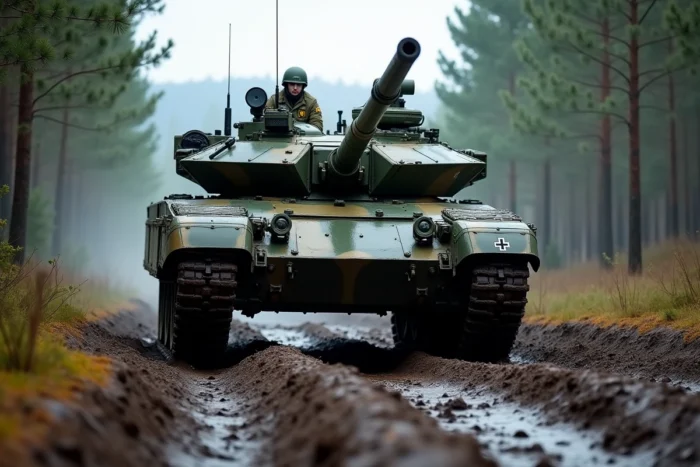
Germany has announced a special rearmament fund, but the conversion of budgetary resources into operational capabilities is lagging. The Leopard 2 remains a global benchmark for battle tanks.
The Bundeswehr suffers from low material availability rates and a chronic recruitment deficit that hampers its ramp-up.
13. Indonesia
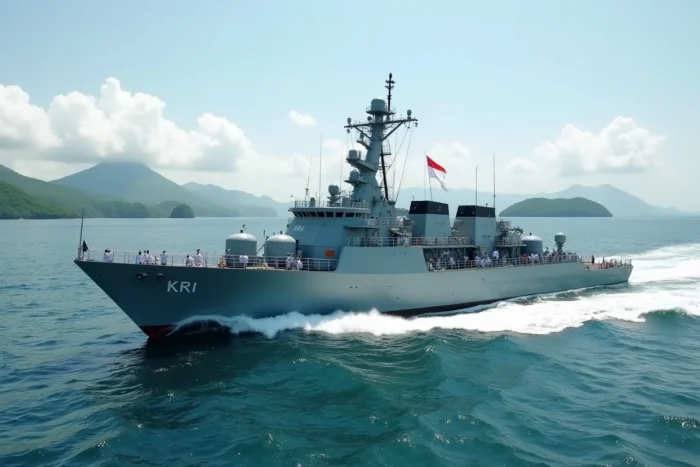
The fourth most populous country in the world, Indonesia has a considerable human reservoir. Its geographical position on strategic straits gives it disproportionate maritime weight relative to its budget.
The archipelago complicates internal military logistics, and equipment remains largely dependent on diverse imports.
14. Egypt
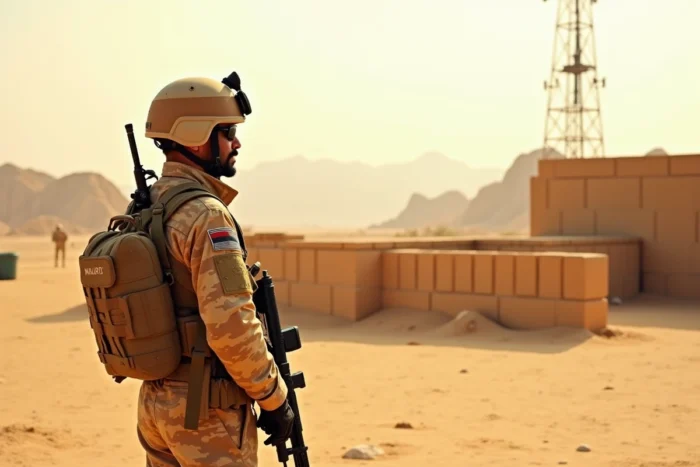
Egypt ranks in the top 15 thanks to its large numbers and a tank fleet among the most substantial in the world. The Suez Canal provides it with a permanent geopolitical leverage.
Dependence on foreign military aid and aging equipment in several segments limit its real strategic autonomy.
15. Iran
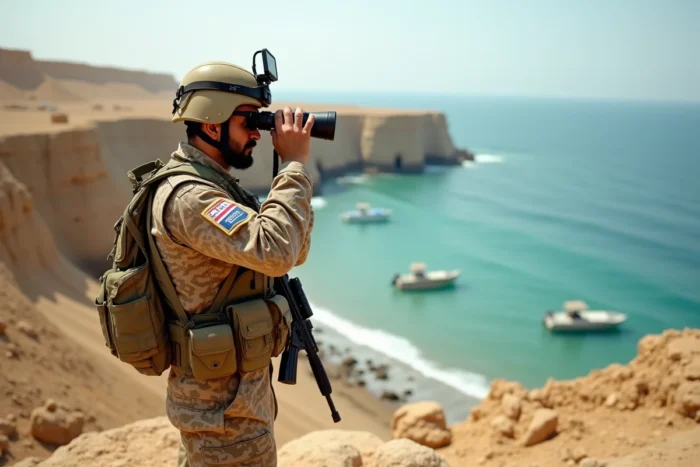
Iran has developed a ballistic missile and low-cost drone program that partially compensates for the absence of modern combat aviation. The Revolutionary Guards operate as a parallel force with their own naval and ground capabilities.
The prolonged technological embargo has created a significant lag in aerial platforms and next-generation air defense.
16. Australia
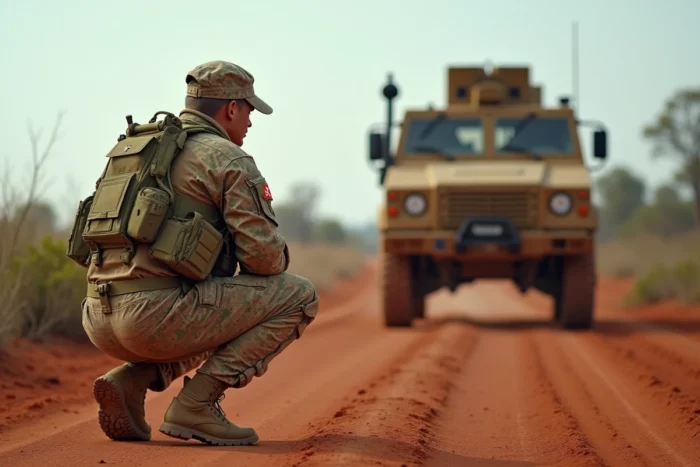
Australia is banking on AUKUS to access nuclear attack submarines, which will transform its posture in the Indo-Pacific. Its special forces are seasoned by two decades of operations.
The low volume of personnel and geographical remoteness impose a logistical dependence on allies for any prolonged high-intensity operation.
17. Israel
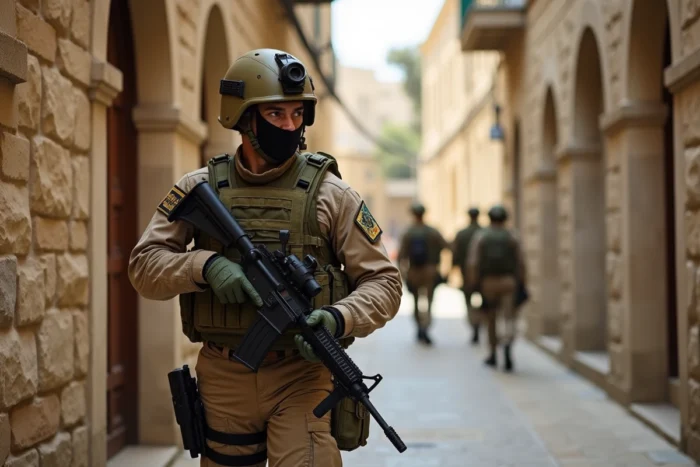
Israel compensates for its reduced format with marked technological superiority. The Iron Dome system and its multi-layered variants remain a global benchmark in tactical missile defense.
The almost non-existent strategic depth and the permanent mobilization of reservists create a demographic and economic tension that is difficult to sustain over time.
18. Poland
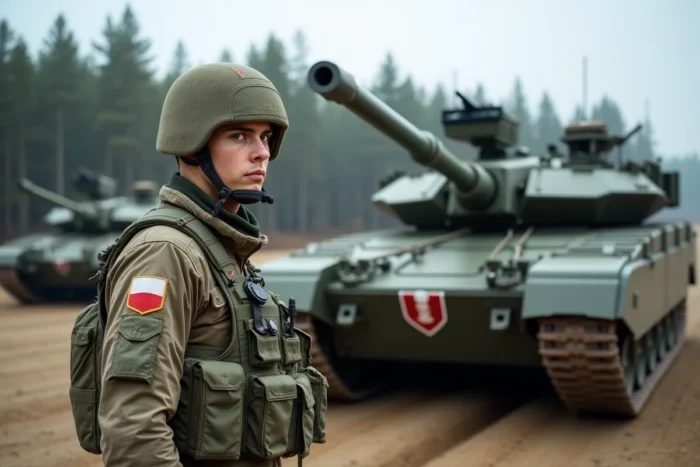
Poland is experiencing the fastest military buildup in Europe. Massive orders for South Korean K2 tanks and HIMARS launchers aim to create the largest conventional land army in the European Union.
The absorption of this volume of new equipment in a short timeframe poses a training and infrastructure challenge that the Polish armies have never faced at this scale.
19. Brazil
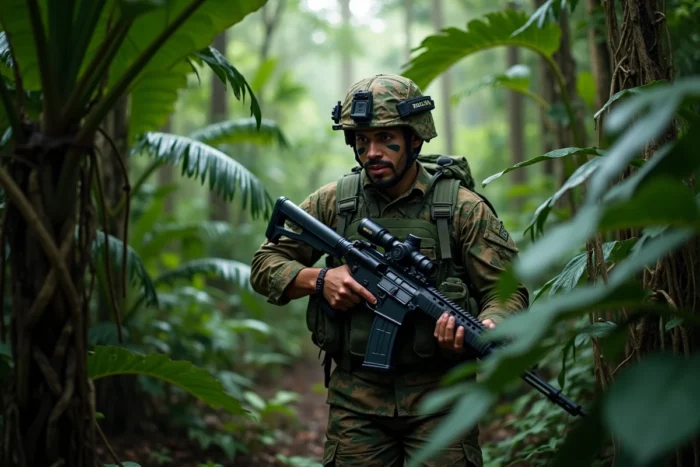
Brazil has a significant number of personnel and a defense industry capable of producing training and transport aircraft (Embraer). Monitoring the Amazon mobilizes a significant share of its resources.
The defense budget remains low relative to the size of the territory, and the Brazilian navy lacks deep-sea capabilities to project power beyond the South Atlantic.
20. Spain
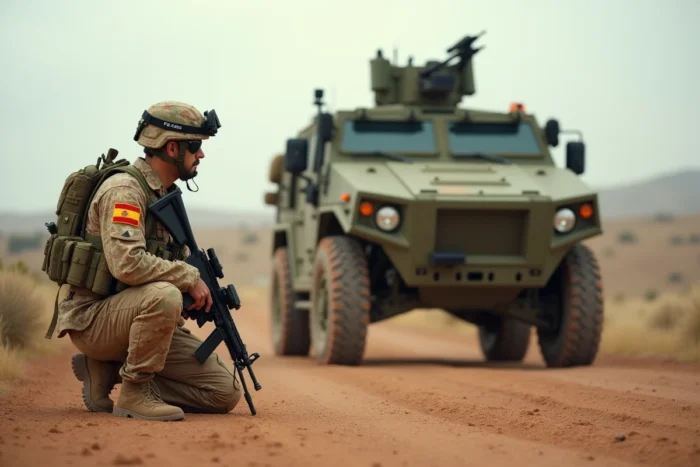
Spain rounds out this top 20 with a versatile navy and an exporting shipbuilding industry (Navantia). Its participation in NATO and European missions ensures a high level of interoperability.
Personnel numbers remain modest, and the defense budget, long below 2% of GDP, constrains land and air modernization.
European countries’ defense spending has risen from less than €250 billion in 2021 to €418 billion in 2025, with a projection of €454 billion in 2026, or about 2.4% of GDP. This increase reshuffles the cards within the top 20, but the fragmentation of efforts among European states still prevents translating these budgets into integrated military power.
The Global Firepower ranking remains a useful comparison tool, provided one keeps in mind that it does not measure cyber defense, drone warfare, or the actual logistical resilience of the armies it ranks.